

As equestrians, protecting our horses from infectious diseases like EHV-1 is a top priority. Equine biosecurity involves preventing the spread of disease through hygiene, isolation, and careful management of horses and their environments.
Here are the critical steps every OET member should take to maintain a healthy herd, both at home and on the trail.
Daily and General Practices
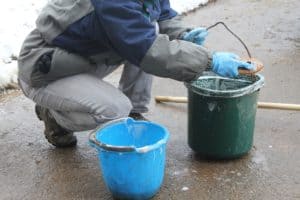
- Practice Strict Hygiene: Always wash your hands with soap and water or use hand sanitizer before and after handling horses. Regular cleaning of equipment, feed/water buckets, grooming tools, and stables is essential.
- Isolate New and Sick Horses: Quarantine any new horses upon arrival for at least 7 to 14 days to monitor for illness. If a horse appears sick, isolate them immediately and consult your veterinarian.
- Maintain Cleanliness: Keep feed and water sources free of pests and wildlife to prevent contamination. Always store feed in sealed containers.
- Control Visitors: Limit access to your facility to prevent outside diseases from entering. Ask visitors to wash their hands and clean their boots before entering.
- Manage Manure: Remove manure regularly to control parasites and disease vectors like flies.
Equipment and Travel Safety
When we are out on the trails or camping, vigilance is key:
- Don’t Share Equipment: Avoid sharing halters, lead shanks, towels, grooming kits, and feed or water buckets with other horses.
- Disinfect When Necessary: If you absolutely must share or loan equipment, clean and disinfect it thoroughly before use.
- Clean Trailers: Clean and disinfect your horse trailer after traveling to and from different locations.
- Avoid Commingling: Prevent nose-to-nose contact between your horse and unfamiliar horses when away from home.
Join Oregon Equestrian Trails and stay informed! For more resources and to support our mission, visit www.oregonequestriantrails.org.



Leave a Reply